When you’re choosing a primary care clinic, it helps to know how that clinic is organized to support you. Family Health Center is recognized as a Patient-Centered Medical Home (PCMH)—a team-based approach that puts patients at the center of care and focuses on access, coordination, and continuous improvement. This post keeps things plain-English and general so you can understand what the PCMH model means for your day-to-day experience here in Sandpoint.
PCMH in a Nutshell (Plain English)
Think of a PCMH as a way of organizing primary care around your needs. Instead of one appointment in isolation, your care team looks at the bigger picture—your goals, history, and preferences—and works together to help you stay on track. The “home” in medical home isn’t a place you visit; it’s a model for how care is delivered across visits and between visits.
What This Looks Like for Patients
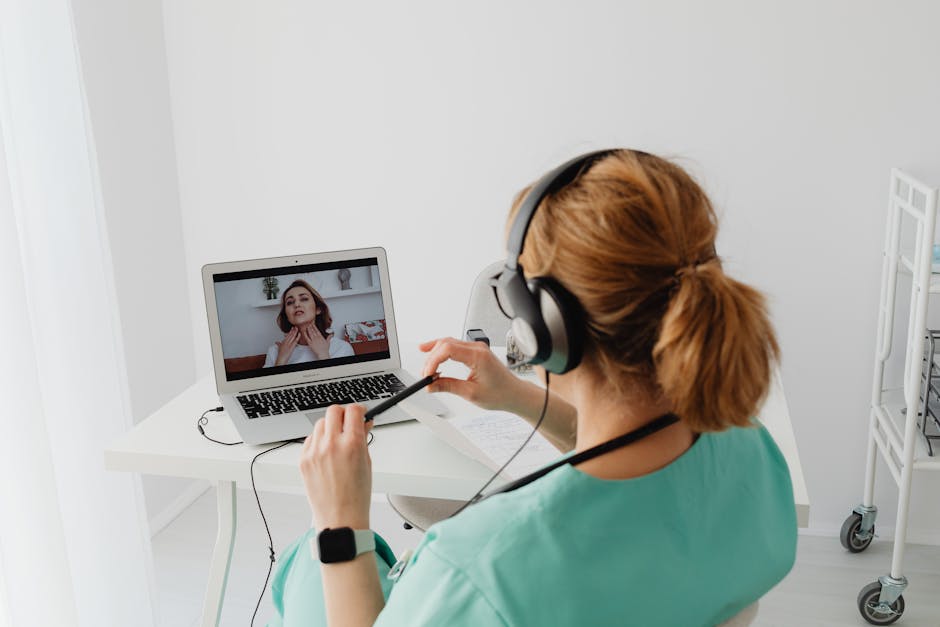
- Access that fits real life. The goal is convenient ways to reach your team for questions and appointments, along with clear guidance on urgent vs. non-urgent needs.
- Coordinated care. Your providers share information so you’re not repeating your story every time. If referrals or tests are part of the plan, your team helps connect the dots.
- Personalized plans. Your priorities guide the next steps. Together, you and your clinician can set simple check-ins to see how things are going.
- Continuous improvement. PCMH practices use data and feedback to keep refining how care is delivered—aiming for better experience and outcomes over time.
How Family Health Center Puts PCMH into Practice
Being recognized as a PCMH reflects our emphasis on patient-first, evidence-informed, team-based care. Practically, that means clear ways to contact us, coordinated teamwork behind the scenes, and a focus on making it easier to get the right care at the right time. If you’re curious about our PCMH recognition and what it signifies, see our brief overview page:
How It Feels Across a Year of Care
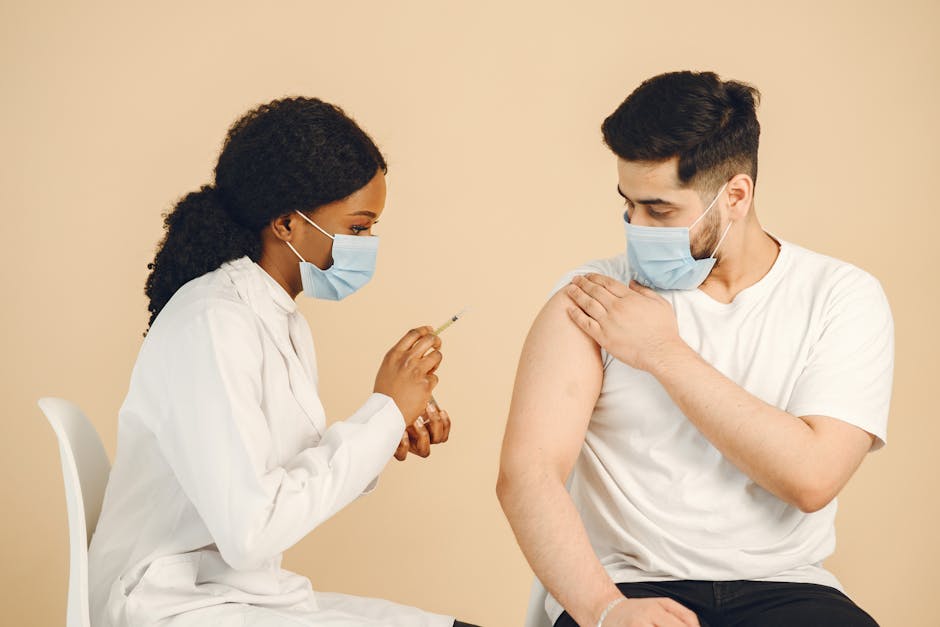
Over the course of a year, most people use care in two ways: prevention and problem-solving. A medical-home approach helps both—keeping preventive planning organized while leaving room for the unexpected. That continuity pays off when you need to revisit a question quickly, follow up on a result, or share updates from home or work life that affect your plan.
What You Can Do (General, Non-Medical)
- Bring a short list of medications/supplements and any allergies you know about.
- Jot 1–3 priorities for your next visit so we start with what matters most to you.
- Ask questions if something isn’t clear—your care team is here to help.
Meet Your Team
Great care is personal. Get to know our clinicians and staff and how we work together:
Want to Learn More About PCMH (General Resources)