July in Sandpoint brings long days on the lake, hikes into the Selkirks, and dinners on the deck. It also brings a stretch of weather that quietly puts extra strain on the body: higher temperatures, wildfire smoke drifting in from British Columbia or eastern Washington, and hours of intense mountain sun. Most summer health problems in North Idaho are preventable with a little planning, but knowing when to manage a situation at home and when to call a clinician makes a real difference.
Recognizing Heat Illness Before It Escalates
Heat-related illness sits on a spectrum. Heat cramps and heat exhaustion are common and usually treatable at home, while heatstroke is a medical emergency. The early signs to watch for are heavy sweating, muscle cramps, headache, nausea, dizziness, and clammy skin. Children, older adults, pregnant women, and anyone taking blood pressure or diuretic medications tend to feel these effects sooner.
When symptoms appear, move to a cool space, loosen clothing, sip water or an electrolyte drink, and apply cool cloths to the neck and wrists. If confusion sets in, sweating stops, the skin becomes hot and dry, or the core temperature climbs above 103°F, call 911. That combination points to heatstroke, and delays in cooling can cause organ damage.
Staying Ahead of Dehydration
Dehydration is the quiet driver behind many July urgent care visits. By the time you feel thirsty, you are already behind. A useful rule of thumb for active adults is to drink water steadily throughout the day and add an electrolyte source during any activity lasting more than an hour in the heat. Dark yellow urine, a dry mouth, or a headache in the late afternoon are all signals to slow down and rehydrate.
Kids often do not stop playing to drink. Offering water breaks every 20 to 30 minutes during outdoor play, and keeping a cold bottle within reach, prevents most problems before they start.
Wildfire Smoke: What the AQI Actually Means for Your Family
Smoke seasons in Bonner County have grown longer and less predictable. The Air Quality Index (AQI) is the most practical tool for daily decisions. Below 50 is generally safe. From 51 to 100, sensitive groups — children, older adults, pregnant women, and anyone with asthma, COPD, or heart disease — should limit prolonged outdoor exertion. Above 150, everyone should reduce outdoor activity, and above 200, outdoor exercise should be avoided.
Indoors, close windows during smoke events and run a HEPA air purifier in the room where your family spends the most time. A well-fitted N95 or KN95 offers meaningful protection outdoors; cloth masks and surgical masks do not filter fine particulate matter. If someone in the household uses a rescue inhaler, make sure it is refilled and accessible before smoke arrives, not after.
When Smoke Symptoms Warrant a Call
Mild throat irritation, a scratchy cough, or watery eyes during a smoky stretch are common and usually resolve once air quality improves. Contact your family doctor in Sandpoint, Idaho if you or your child experiences wheezing that does not respond to a rescue inhaler, chest tightness, a cough lasting more than a week after skies clear, or new shortness of breath during light activity. Anyone with a known heart condition who develops chest pressure, palpitations, or unusual fatigue during a smoke event should be evaluated the same day.
Sun Exposure at 2,100 Feet
Sandpoint’s elevation and reflective water surfaces make sunburn easier to earn than most visitors expect. UV intensity increases roughly four percent for every 1,000 feet of elevation, and Lake Pend Oreille reflects a significant share of the light back at you. A broad-spectrum sunscreen of SPF 30 or higher, reapplied every two hours and after swimming, remains the most reliable protection. Wide-brim hats, UPF-rated clothing, and sunglasses that block UVA and UVB add meaningful coverage for boat days and trail time.
Two habits matter most for long-term skin health: avoiding peak sun between 10 a.m. and 4 p.m. when possible, and doing a yearly skin check. Any new mole, a spot that changes shape or color, a sore that will not heal, or a patch that itches or bleeds should be looked at by a clinician. Most skin cancers found early are highly treatable.
Medications and Conditions That Change the Rules
Several common medications shift how the body handles heat and sun. Diuretics and some blood pressure drugs increase dehydration risk. Antihistamines can reduce sweating. Certain antibiotics, including doxycycline, cause pronounced sun sensitivity. Some acne treatments and diabetes medications do the same. If you are unsure whether a prescription in your household falls into these categories, ask at your next visit or during a quick call to the clinic.
Pregnancy, chronic lung disease, heart disease, and diabetes all lower the threshold at which heat and smoke become dangerous. A short conversation with your primary care provider before a heat wave or a smoke event can help you build a plan tailored to your household.
Your Next Step Before the Next Hot Week
Take ten minutes this week to check three things: the expiration dates on any rescue inhalers or EpiPens, whether your household has an air purifier or a supply of N95 masks on hand, and whether anyone is overdue for an annual physical or skin check. If you are new to the area or have not established care with a family doctor in Sandpoint, Idaho, scheduling a first visit before symptoms appear makes every subsequent call easier. A clinician who already knows your history can give faster, more specific guidance when the smoke rolls in or the forecast climbs past 95.
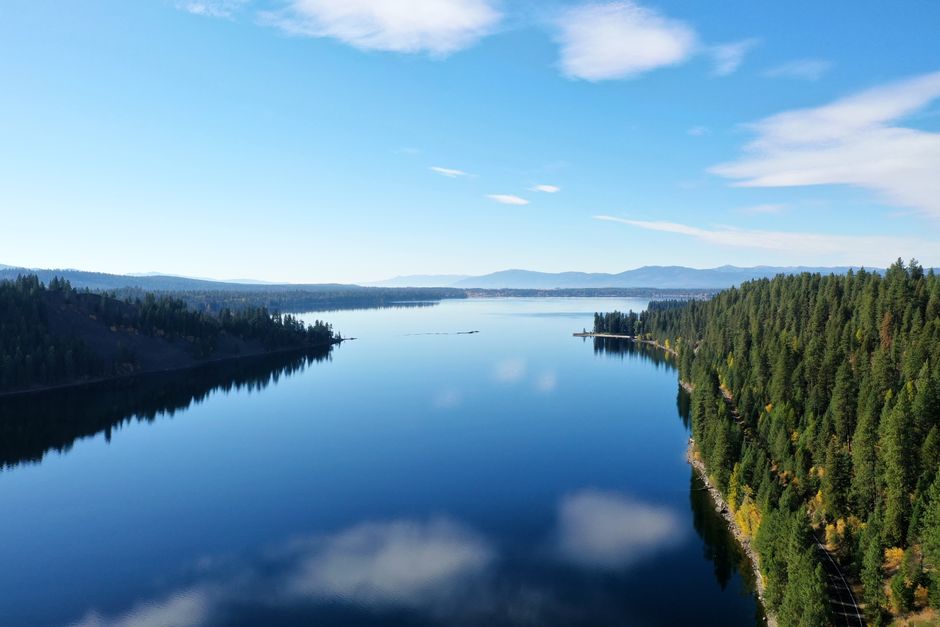
Featured image: Photo by Josh Willink on Pexels.