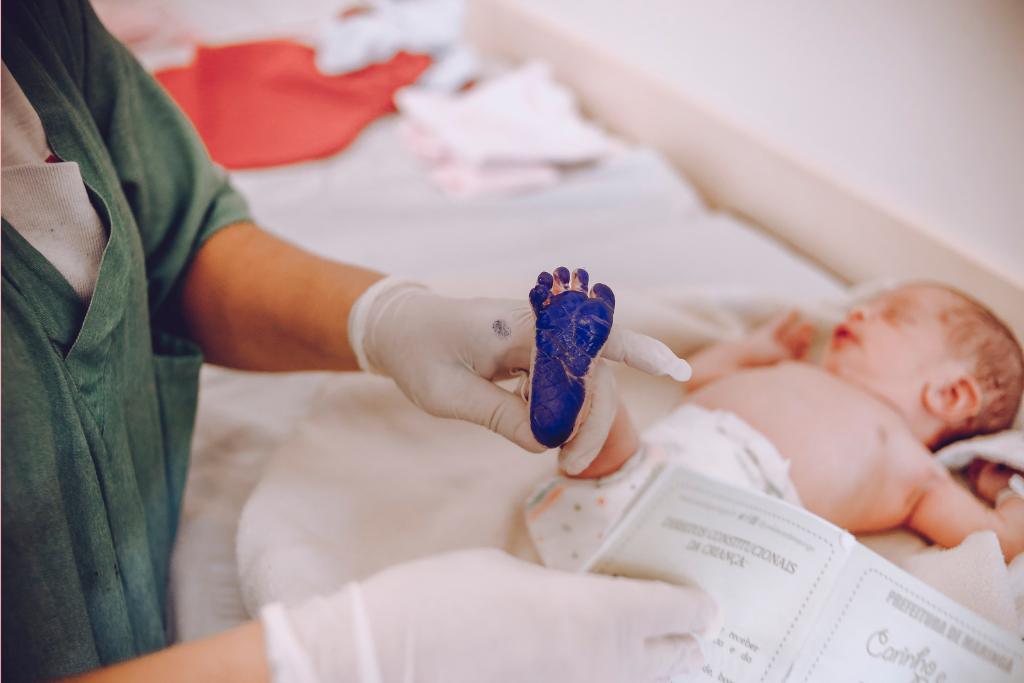
Bringing a new baby home is exciting, exhausting, and often a little overwhelming. Between feedings, diaper changes, and short nights, new parents have plenty of questions. Early newborn visits give you a chance to ask them and make sure your baby is off to a healthy start.
Many families choose a family doctor for their baby’s care. That means the same clinic can care for your newborn, your other children, and you.
Why Early Newborn Visits Matter
The first days and weeks after birth are a time of fast change. Babies are learning to feed, gaining back the weight they lose right after birth, and adjusting to life outside the womb. Early visits help your provider check that feeding is going well, weight is on track, and there are no signs of common newborn concerns that need attention.
Newborn visits tend to come close together at first, then spread out as your baby grows. Your provider will let you know when to come back based on how feeding and weight gain are going.
These visits also give parents support. It is normal to feel unsure about what is normal and what is not. Having a trusted provider to ask can bring a lot of peace of mind.
What the First Visits Usually Cover
Every baby is different, and your provider will tailor each visit. Early newborn checkups commonly include:
- Weight, length, and head measurements to track growth
- A full physical exam from head to toe
- Questions about feeding, whether breastfeeding, formula, or both
- Checking skin color for signs of jaundice
- Reviewing sleep, diapers, and the umbilical cord area
- Newborn screening follow-up and the vaccine schedule
- Time for parents to ask questions about anything on their minds
Questions Parents Often Ask
New parents often wonder how much their baby should be eating, how many wet and dirty diapers to expect, and what normal sleep looks like at this age. Many also ask about crying, spitting up, rashes, and safe sleep practices.
Parents also bring questions about themselves. Recovery after birth, sleep loss, and feeling overwhelmed are all real parts of the newborn stage. A family doctor can listen to those concerns too, and help you find support if you need it.
No question is too small. It helps to keep a running list on your phone between visits. Writing down feeding times and diaper counts for the first few days can also help your provider see the full picture.
For each visit, bring your baby’s hospital discharge papers if you have them, a diaper bag with a change of clothes, and your insurance information. A blanket and a bottle or a plan for feeding during the visit can help keep your baby comfortable.
When to Call Between Visits
Babies can get sick quickly, so it is important to know when to reach out. Call your provider if your baby has a fever, is feeding poorly, has fewer wet diapers than expected, seems unusually sleepy or hard to wake, or if their skin or eyes look more yellow.
For trouble breathing, a baby who is limp or unresponsive, or any situation that feels like an emergency, call 911 right away.
Care for the Whole Family
Newborn care is one of the pediatric services Family Health Center offers, along with well child exams, immunizations, and care as your child grows. Many parents appreciate having one clinic that knows the whole family’s health history.
Our providers are available after hours for medical questions through our on-call service, which can be reassuring during those first weeks at home. If you are expecting or have a new baby, contact Family Health Center to schedule newborn care in Sandpoint. We would love to help your family get off to a healthy start.